Fans With AI Are Rewriting the Rules of Entertainment — And Studios Have No Idea What to Do
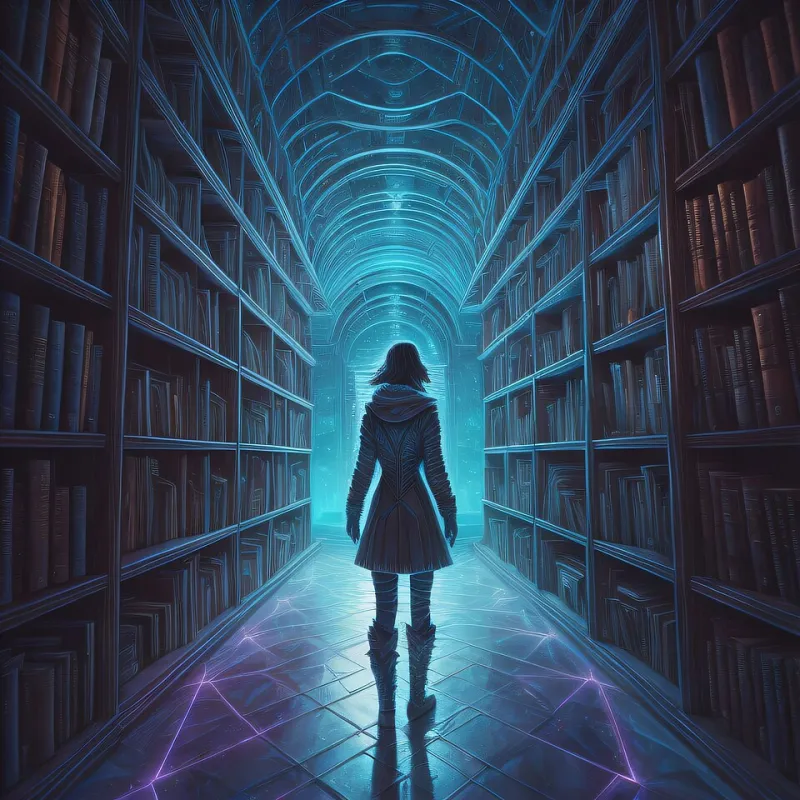
Photo: Prototyperspective, Public domain, via Wikimedia Commons
Somewhere on a Discord server right now, a 22-year-old from Ohio is finishing an AI-assisted animated short featuring characters from a beloved franchise that a major studio spent hundreds of millions of dollars building. It looks shockingly good. It's getting thousands of views. And legally? Nobody really knows what to do about it.
This is the new reality of fandom in 2024, and it's moving way faster than the entertainment industry — or lawmakers — can keep up with.
From Fanfic to Full Productions
Fan creativity isn't new, obviously. Fan fiction has existed for decades. Passionate communities have been drawing fan art and writing unauthorized sequel stories since basically the moment popular culture existed. What's changed is the scale and quality of what fans can now produce.
AI image generators like Midjourney and Stable Diffusion let fans create studio-quality artwork of their favorite characters in minutes. Tools like ElevenLabs can clone voice performances with unsettling accuracy. AI writing assistants are helping fans produce novel-length stories with polished prose. And increasingly, fans are combining all of these tools to create content that would have required a professional production team just five years ago.
"The barrier between 'fan' and 'creator' basically dissolved," says digital artist and longtime fandom participant Tessa Morales, who runs a popular fan art account focused on science fiction franchises. "I spent years learning Photoshop to make fan art that looked decent. Now someone with zero art training can generate something that looks better than what I used to make in an afternoon. It's wild, honestly."
The results are flooding platforms like TikTok, YouTube, Reddit, and dedicated fandom spaces like Archive of Our Own. Some of it is clearly labeled as AI-assisted. A lot of it isn't.
The Legal Gray Zone Nobody Wants to Address
Here's where things get genuinely complicated. Existing copyright law in the United States was not written with generative AI in mind — at all. The basic framework around fan works has always existed in a kind of uncomfortable legal gray area: technically, creating unauthorized derivative works of copyrighted characters is infringement. In practice, studios have historically tolerated non-commercial fan creativity because going after fans is a PR nightmare and the legal costs aren't worth it.
But AI-generated fan content is straining that informal truce in several ways. First, the volume is unprecedented. Studios can ignore a few hundred fan artists. They can't easily ignore millions of AI-assisted creations flooding the internet. Second, quality has crossed a threshold where the content can start to feel like it competes with official material — or, worse, can be mistaken for it. Third, some creators are monetizing AI fan content, which moves it firmly into commercial territory where studios have much stronger legal ground to act.
Entertainment lawyers are watching this space closely. "The honest answer is that no one really knows how courts will rule on a lot of these questions," says entertainment attorney David Park, who has worked with several streaming platforms. "We're talking about copyright doctrine that was developed long before anyone imagined this technology. There's going to be a lot of litigation before anything gets clarified."
Several studios have sent cease-and-desist letters to AI fan creators, particularly those generating content involving real actors' likenesses — an area where right-of-publicity laws give studios and performers clearer legal standing. The SAG-AFTRA strikes of 2023 brought AI likeness issues into sharp public focus, and that debate is far from settled.
The Fan Community's Response
Ask fans about the legal concerns, and you'll get a spectrum of reactions ranging from genuine thoughtfulness to outright defiance.
Many serious fan creators are deeply engaged with the ethics of what they're making. Online communities dedicated to AI fan art frequently debate questions of attribution, consent, and what separates transformative creative work from something that just feels exploitative. Some creators have voluntarily adopted community guidelines that mirror existing fan fiction norms — no monetization, clear labeling, no sexual content involving real people.
Others are more combative. "These studios make billions off these characters and they can't handle fans loving them enough to make their own stuff?" wrote one popular Reddit user in a thread about a recent cease-and-desist. The post got thousands of upvotes.
There's also a generational dimension here. For younger fans who've grown up treating remix culture as completely normal — who learned to love creativity through TikTok duets and YouTube fan edits — the idea that they need a studio's permission to engage creatively with stories they love feels genuinely alien.
What 'Official' Even Means Anymore
Maybe the most interesting long-term question this trend raises isn't legal at all — it's cultural. What happens to the concept of "official" entertainment when fans can produce content that's indistinguishable from, or arguably better than, what studios put out?
Some franchises are already feeling this tension. When a beloved show gets canceled and fans use AI tools to produce their own continuation, and that continuation resonates deeply with the community, the studio's official silence starts to feel less like authority and more like absence.
A handful of studios are experimenting with leaning into fan creativity rather than fighting it. Some have quietly adopted more permissive approaches to non-commercial fan content. Others are exploring official collaborations with prominent fan creators. It's a delicate balance — open up too much and you risk losing control of your IP; clamp down too hard and you alienate the passionate communities that keep your franchises alive between releases.
For now, the AI fan content wave keeps building. New tools keep lowering the barrier to entry. New communities keep forming around shared creative passion. And somewhere between copyright law, cultural evolution, and the raw enthusiasm of millions of dedicated fans, the entertainment industry is going to have to figure out what it actually believes about who gets to tell these stories.
Spoiler: the fans aren't waiting around for an answer.