Your Favorite Niche Creator Is Somebody's Full-Time Job — Here's How That Actually Works
Photo: Official GDC, CC BY 4.0, via Wikimedia Commons
There's a guy in Ohio who narrates deep-cut 1970s horror paperbacks to about 4,000 subscribers. He does voices. He does chapter breakdowns. He sells hand-annotated reading guides for $18 a pop. Last year, he made more money than most entry-level marketing associates in New York City.
He has never gone viral. He has never been on a podcast you've heard of. The algorithm basically ignores him.
And he's doing just fine.
The Old Gatekeepers Aren't Keeping the Gate Anymore
For most of entertainment history, the path to making a living was pretty straightforward: get noticed by someone with institutional power — a label, a studio, a network — and hope they decided you were worth the investment. Millions of talented people spent years grinding toward that single point of approval, and most of them never got it.
What's shifted over the last five or six years isn't just that the internet gave everyone a platform. That part's old news. What's actually new is that dedicated fan communities have developed their own economic infrastructure — one that doesn't need mainstream validation to function.
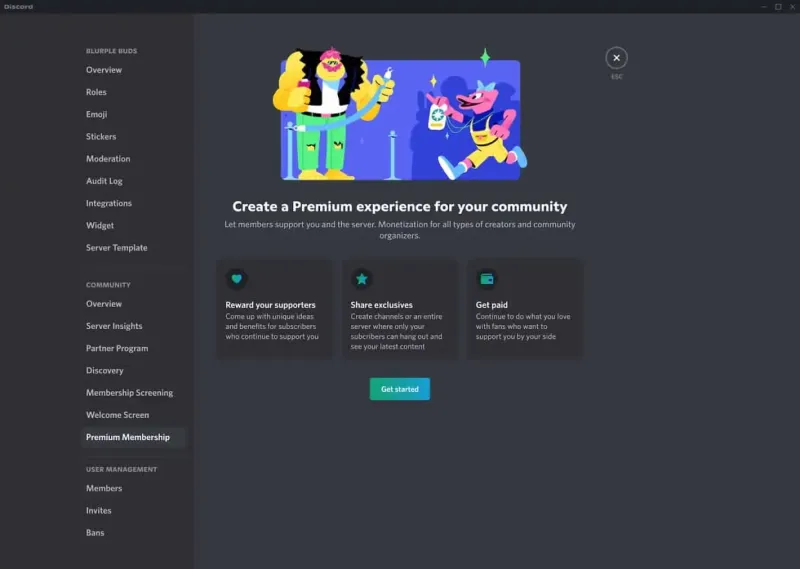
Patreon crossed $300 million in annual creator payouts a few years back and hasn't slowed down. Discord servers now host full-blown subscription ecosystems where fans pay monthly for access to exclusive content, behind-the-scenes conversations, and the simple privilege of being in the room. Substack newsletters about hyper-specific TV genres are clearing enough revenue to fund full-time writing careers. The machinery is real, and it runs on something older than any algorithm: genuine human connection.
Why Fans Actually Open Their Wallets
Here's the part that trips people up when they first look at this economy: the numbers don't make sense unless you understand the psychology.
When someone pays $15 a month to access a creator's private Discord, they're not just buying content. They're buying proximity. They're buying the feeling that they got there early, that they're part of something before it gets big, that their support is personally meaningful to the person making the work. That's a fundamentally different transaction than buying a movie ticket or paying for a streaming subscription.
Researchers call these parasocial relationships — the one-sided emotional bonds audiences form with media figures — but what's happening in niche communities is actually something closer to a two-way street. Niche creators tend to know their fans by username. They respond to comments. They take requests. The community itself becomes part of the entertainment product.
That intimacy is genuinely hard to manufacture at scale, which is exactly why a creator with 5,000 deeply invested fans can often out-earn a creator with 500,000 casual followers.
The Tiers That Actually Work
The creators building sustainable livelihoods in this space aren't just throwing up a Patreon and hoping for the best. The ones pulling real money have figured out how to structure their communities in ways that give fans meaningful reasons to keep paying.
The most common model looks something like this: a free layer of content that functions as a discovery funnel, a mid-tier subscription offering early access and bonus material, and a premium tier that buys genuine access — live Q&As, direct messaging, input on future content, or physical goods like signed merchandise and exclusive zines.
Merchandise, in particular, has become a surprisingly powerful revenue stream for niche creators. Because their audiences are so specific, they can make products that feel almost impossibly targeted — a enamel pin referencing an obscure plot point from a canceled sci-fi show, a tote bag with a joke that only 3,000 people on earth would get. That specificity is the whole point. It signals membership. It's proof you're in on something.
This Is Rewiring What 'Professional' Even Means
The cultural shift here is bigger than just a new monetization strategy. What niche fandom economies are actually doing is expanding the definition of who gets to be a professional entertainer.
The old model required mass appeal almost by definition — you needed enough eyeballs to justify the infrastructure costs, the marketing spend, the executive salaries sitting above you in the org chart. Niche communities collapse that overhead almost entirely. A creator working solo or with one collaborator can operate profitably at audience sizes that would have been economically invisible ten years ago.
That opens the door for voices and formats and subject matters that never would have cleared a traditional pitch meeting. The guy narrating obscure horror paperbacks isn't competing with Stephen King. He's serving a specific community that mainstream publishing never thought to serve at all.
And increasingly, those communities are finding each other on platforms specifically designed for tight-knit engagement — Discord, Geneva, even certain corners of Reddit — rather than chasing reach on platforms optimized for virality.
What This Means for the Rest of Entertainment
The major studios and streaming platforms haven't missed this trend, exactly, but most of them are still trying to figure out how to co-opt it rather than understand it. You see the attempts — official fan Discord servers for big IP properties, creator funds that promise community features, celebrity Patreons that mostly just offer repurposed content.
They mostly don't land the same way, because the intimacy that makes niche creator economies work isn't something you can bolt onto a $200 million franchise. It has to be built from scratch, with a specific audience, over time.
The more interesting question is what happens as the niche creator generation matures. Some of them will scale up and lose the intimacy that made them. Others will stay deliberately small and keep the economics humming. A few will figure out how to do both.
But the Ohio horror narrator? He's not waiting around to find out. He's already sold out his next reading guide print run.
The pulse of entertainment has always followed where genuine passion lives. Right now, a lot of that passion is living in very small, very specific rooms — and the people running those rooms are quietly building something that looks a lot like a career.