The Other Merch Table: How Unofficial Tapes, Zines, and Tees Keep Underground Scenes Breathing

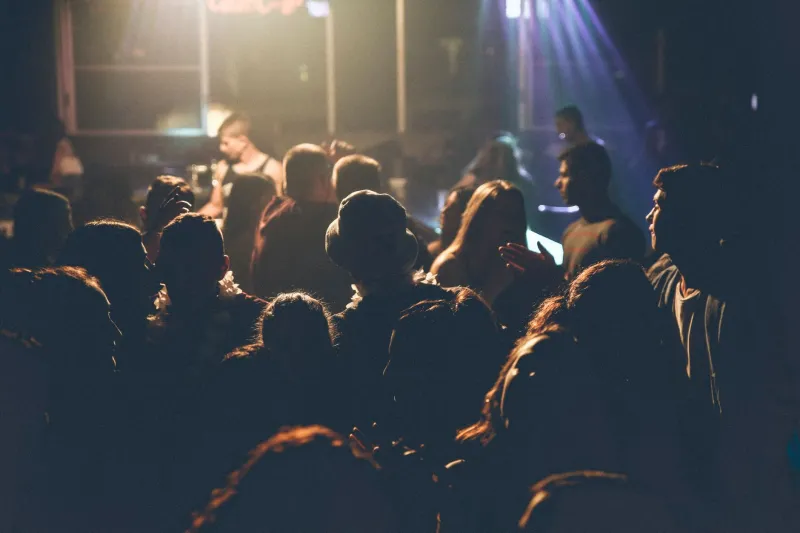
Photo: DIY zines and cassette tapes on table at underground concert, handmade merch, stock photo, via i.pinimg.com
Walk into almost any underground show in the US and you will find two merch tables. One is official. It has the tour tee, the vinyl, the tote bag, and a tired person with a Square reader. The other is harder to pin down. It might be a folding table near the back. It might be a link in a Discord bio. It might be a zine folded on someone's kitchen table. It is unofficial, unlicensed, and often the thing keeping the scene from disappearing into a private group chat. Welcome to the bootleg economy, the unregulated shadow market that keeps underground culture breathing in 2026.
The table behind the table
Bootlegging has a long history in music, from cassette trading in the eighties to burned CDs in the nineties to torrents in the two-thousands. What is different now is how normal it feels. A fan can make a shirt with a scene logo and sell it on Etsy. A tape trader can dub a live set and mail it to someone in another state. A zine maker can collect interviews, flyers, and photos from a scene that never got a proper documentary and sell it for five dollars at a show. None of this is official. All of it is part of the ecosystem.
For small scenes, that ecosystem is not a side hustle. It is infrastructure. Official merch often arrives late, costs too much, or never gets made at all because the artist is touring, working a day job, or just bad at logistics. Bootleggers fill the gap. They make the shirt before the band does. They press the live recording before the label does. They document the flyer before it ends up in a landfill. In a scene with no publicist and no budget, the unofficial table is often the only table.
A gray market with real stakes
The legal picture is messier than the DIY ethos suggests. In the US, a live recording can involve copyright in the song, copyright in the performance, and sometimes trademark rights in the band name. Unofficial merch can run into trademark infringement if it uses a logo or name in a way that confuses buyers. Right of publicity can come into play if someone's likeness is used without permission. Fair use exists, but it is fact-specific and not a magic shield. A zine that comments on a scene is different from a shirt that looks exactly like official merch. A fan-made live tape is different from a counterfeit vinyl pressing. The gray zone is wide, but it is not lawless.
That is why the ethics conversation matters. Some bootlegs are preservation. Some are exploitation. A fan who tapes a show and trades it with other fans is doing something different from a seller who mass-produces a shirt with a band's logo and undercuts the official table. The problem is that the line is not always obvious, especially when the official infrastructure is thin. In a scene where the artist never presses a record and never makes a shirt, the bootlegger can look like the only person doing the work. That does not automatically make it fair, but it does explain why so many scenes tolerate it.
Why scenes look the other way
There is a practical reason bootlegging survives: it is affordable. Official merch from an underground artist can cost forty dollars for a tee and sixty for a record. For a lot of fans, especially younger ones, that is not an impulse buy. A bootleg shirt at fifteen dollars or a dubbed tape at five dollars is how they participate. It is also how scenes stay visible. A bootleg shirt in a grocery store in Ohio is a billboard. A zine passed around a college radio station is a press kit. A live recording uploaded to a fan archive is a time capsule. The unofficial economy does the marketing that the official economy cannot afford.
There is also a preservation argument. Underground scenes are fragile. Venues close. Bands break up. Hard drives die. The official record is often incomplete. Fan archivists, tape traders, and zine makers fill in the gaps. They are not always careful, and they are not always right, but they are often the only reason anything survives. In 2026, when so much culture lives on platforms that can delete a scene overnight, that matters. The bootleg is not just a copy. Sometimes it is the only copy.
The creator's side of the table
None of this means artists should just shrug and accept it. Bootlegging can cut into real income, especially for small creators who rely on merch margins to fund tours. It can also create safety issues. An unofficial shirt with a band's name can look official to a fan who does not know better. A bad live recording can become the version that circulates forever. A zine can flatten a scene into someone else's nostalgia. Artists have legitimate reasons to want control over their name, their image, and their work.
That is why the smartest response is not always a cease-and-desist. Some artists have started issuing clear fan merch policies: what is allowed, what is not, and how to ask for permission. Others have embraced the gray market by licensing designs to trusted fans, selling official versions of bootleg-style merch, or setting up official archive projects. The goal is not to kill the unofficial table. It is to make the official table worth visiting. If the official merch is good, fairly priced, and easy to buy, most fans will choose it. If it is not, the bootleg will win.
The price of cultural survival
There is a hard truth buried in all of this. Bootlegging is often the price of cultural survival in scenes that the mainstream has ignored. It is not pretty, and it is not always ethical, but it is a symptom of a larger problem: the official infrastructure for underground culture is thin. When labels, venues, and merch companies do not show up, fans build their own. Sometimes that looks like a zine. Sometimes it looks like a shirt with a slightly off logo. Sometimes it looks like a tape traded in a parking lot after a show.
The question for 2026 is not whether bootlegging will continue. It will. The question is whether creators and scenes can build better official systems before the gray market becomes the only system. That means affordable merch, clear policies, accessible archives, and a willingness to treat fans as collaborators instead of customers. The bootleg economy is not going away. The best scenes will figure out how to live with it, and maybe even learn from it.