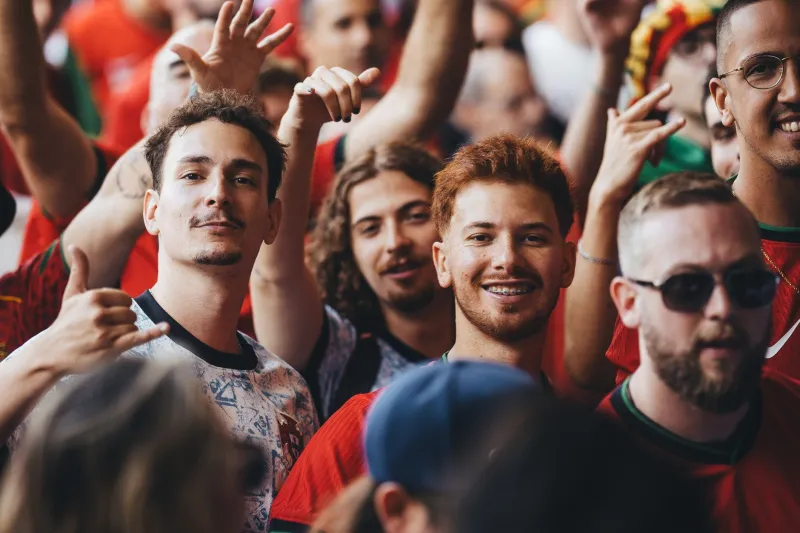
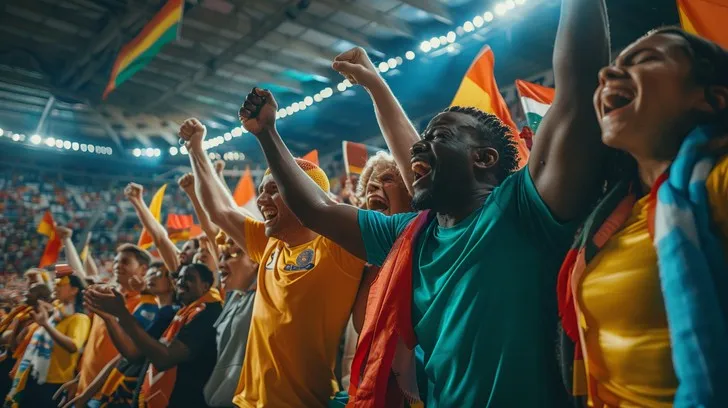
The Cult of Keeping Out: How Niche Communities Weaponize Their Own Fandom

There's a particular kind of pride that lives inside a niche fandom. It's not the loud, stadium-filling pride of a Marvel fan or a Swiftie. It's quieter, more guarded — the kind that comes from knowing something most people don't. And for a growing number of communities scattered across Discord servers, subreddits, and private forums, protecting that pride has become a full-time obsession.
The thing is, these communities don't just want to be small. They need to be small. And they'll do whatever it takes to stay that way.
The Authenticity Trap
Ask any longtime member of a tight-knit niche fandom why they push back against new fans, and you'll get some version of the same answer: growth ruins things. The vibe shifts. The quality of conversation drops. The inside jokes stop being funny when everyone's in on them.
There's actually something real underneath that anxiety. Research into group dynamics consistently shows that communities lose cohesion as they scale. When a Discord server goes from 200 members to 20,000, the intimacy that made it special in the first place genuinely evaporates. The old-timers aren't imagining it.
But here's where it gets complicated. That legitimate concern about community quality gets twisted, over time, into something uglier — a reflexive hostility toward anyone who shows up wearing the wrong T-shirt, using the wrong terminology, or (God forbid) discovering the thing through a TikTok recommendation. Authenticity stops being about genuine engagement and starts being about proving you were there first.
And first, in niche culture, is everything.
The Language of Exclusion
Every tight fandom develops its own internal vocabulary. That's normal — shared language is how communities build identity. But in communities where gatekeeping has gone pro, that language stops being a tool for connection and becomes a screening mechanism.
You see it constantly. A new fan joins a forum and asks a straightforward question, only to get hit with a wall of acronyms and callbacks they have no context for. The old-timers don't explain. They watch. They wait to see if the newcomer will do the work — dig through years of archived posts, lurk for months before speaking, prove their seriousness through sheer persistence.
Some communities take it even further. There are fandoms built around obscure cult TV shows — think the kind of stuff that aired for one season on a mid-tier cable network in 2009 and never got a proper streaming release — where new members are essentially subjected to informal oral exams before they're accepted. Not by any official rule. Just by the collective social pressure of a community that has decided its own exclusivity is a feature, not a bug.
The message is always the same: this isn't for everyone, and we're going to make sure you know it.
Why Gatekeepers Believe They're the Good Guys
Here's the uncomfortable part. Most hardcore gatekeepers genuinely believe they're protecting something worth protecting. And in some cases, they're not entirely wrong.
Niche communities have watched, over and over again, as mainstream attention arrives and dismantles everything that made a subculture feel special. A band gets a sync license on a Netflix show and suddenly their fanbase triples overnight with people who've never heard their debut album. A cult classic gets a reboot and the original fandom gets buried under a wave of casual viewers who don't know the lore. A niche subreddit hits the front page and the comment section turns into chaos.
These aren't hypothetical anxieties. They're documented patterns. And so gatekeepers have internalized a kind of siege mentality — the idea that vigilance is the only thing standing between their community and dissolution.
The problem is that this logic, taken to its extreme, becomes self-defeating. Communities that refuse to grow also refuse to evolve. They calcify. The same fifteen people relitigating the same debates from 2017. The same hierarchies. The same unspoken rules that newer members can never quite crack, because no one will actually explain them.
When the Walls Finally Crack
At some point, almost every gated community faces a reckoning. Sometimes it's an algorithm. Sometimes it's a creator going viral. Sometimes it's a piece of mainstream press that sends a flood of curious outsiders through the door all at once.
What happens next is fascinating and, depending on your perspective, either tragic or necessary.
Some communities fracture entirely. The old guard migrates to a new, more obscure corner of the internet and starts the whole cycle over again — building something new, keeping it quiet, eventually having to defend it all over again. It's a kind of perpetual motion machine of exclusivity.
Others adapt, sometimes grudgingly. They develop onboarding processes, pinned explainer posts, tiered membership structures that give newcomers a path to earning their place without upending the existing culture. This approach works, but it requires the community to admit that growth isn't automatically the enemy — which is a hard pill for a lot of gatekeepers to swallow.
And then there are the communities that simply implode. The tension between old members and new ones becomes toxic. The gatekeepers get louder and more aggressive. The newcomers push back. The whole thing turns into a drama cycle that consumes more energy than the actual shared interest that brought everyone together in the first place.
The Real Cost of Keeping the Doors Locked
There's a version of this conversation that's just about vibes and community drama. But there's a bigger picture worth considering.
Niche communities are, increasingly, where real cultural influence lives. The early adopters in small fandoms shape how things eventually go mainstream. The dedicated listeners who discover a podcast before it blows up are the ones who made it possible for it to blow up at all. Gatekeeping doesn't just affect the people being kept out — it affects the long-term health and relevance of the thing being protected.
Creators, too, are caught in the middle. The fans who've been there since day one often have the most influence, the loudest voices, and the most entrenched ideas about what the work should be. When those fans are also gatekeepers, creators can end up in a trap — unable to grow without losing the base that built them.
None of this means gatekeeping is going anywhere. The psychology runs too deep, the emotional stakes are too high, and honestly, some of those communities genuinely do have something worth protecting. But it's worth naming what's actually happening when a fandom starts treating its own front door like a bouncer at an exclusive club.
Because at some point, the question stops being who deserves to be here — and starts being what's the point of all this if nobody new ever gets to find out why it matters?