Stay Small, Stay Sacred: Why the Best Underground Shows Are Immune to Fame
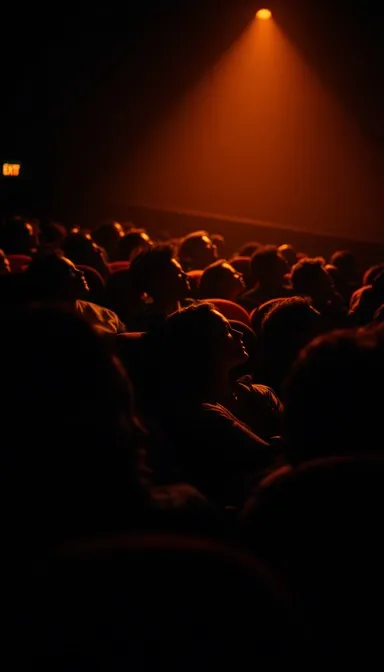
Photo: small intimate theater underground cinema audience dark moody, via images.stockcake.com
There's a moment every niche fan dreads. It's not a cancellation notice or a bad season finale. It's something quieter and somehow worse — it's the Sunday morning when you open up social media and see your favorite little-known show trending nationally. Suddenly, the thing you've been quietly evangelizing to three close friends is getting a segment on morning television. And just like that, something shifts.
Welcome to what some corners of the internet are calling the niche immunity problem — the idea that the most beloved underground shows and creators carry a kind of built-in ceiling on their success, not because they lack quality, but because their audience needs them to stay small.
The Unspoken Contract
Every niche fandom operates on an invisible agreement that nobody actually signs. Fans show up, stay loyal, spend money on merch and Patreon tiers, and evangelize carefully — usually only to people they trust will get it. In exchange, the creator or show stays weird, stays specific, and doesn't sand down its edges to appeal to a broader crowd.
It's not a formal deal, but break it, and you'll feel the consequences fast.
"When Reservation Dogs started getting mainstream award attention, I was genuinely torn," says Marcus, a 29-year-old from Albuquerque who runs a small fan Discord for the FX series. "Like, obviously I want the creators to be recognized. But I also knew what was coming — the think pieces, the people discovering it for the wrong reasons, the whole vibe changing."
He's not alone in that feeling. It's a tension that plays out constantly across niche fandoms, from cult anime to obscure docuseries to weird little podcasts with intensely devoted listener bases.
Why 'Going Big' Is Sometimes the Fastest Way to Lose
Here's the counterintuitive truth that mainstream entertainment executives still don't fully grasp: for certain shows and creators, a massive audience spike is a crisis, not a win.
When a niche property goes viral — even for genuinely good reasons — it attracts attention from people who don't share the cultural context that made it resonate in the first place. New audiences bring new expectations. Networks and studios, smelling money, start asking for changes. The creator, suddenly aware of a much larger crowd watching, may start self-editing. Episodes get smoother. Jokes get safer. The rough, specific, alive quality that made early fans evangelical about the thing starts to fade.
"There's a reason the first season of almost everything is the best season," says Priya, a content strategist in Austin who writes a newsletter about niche TV. "Creators make the first season for themselves and their people. After that, they're making it for everyone, which means they're making it for no one."
This isn't just fan nostalgia talking. There's a structural reality here. Niche content thrives on specificity. A show about competitive barbecue culture in rural Texas, or a web series built around a very particular corner of gaming subculture, works because it's not trying to translate itself for outsiders. The moment it has to, something essential gets lost in translation.
The Fans Who Guard the Gate
What's fascinating is that many devoted niche audiences have developed almost instinctive behavior around protecting their favorites from overexposure. They'll rave about a show in closed Discord servers while deliberately avoiding posting about it on Twitter or TikTok. They'll recommend it to friends with careful caveats — "You have to actually watch it from the beginning, and you have to give it three episodes, and you can't be the kind of person who needs everything explained."
This gatekeeping gets a bad reputation, and sometimes it deserves it. But a lot of the time, it's less about elitism and more about genuine preservation instinct. These fans have watched too many beloved things get discovered, celebrated, picked apart, and ultimately diluted. They've learned.
"I stopped putting [the show] in my social media bio after it got written up in a big outlet," admits Jordan, a 34-year-old teacher from Portland. "That sounds petty, but it's also just... I didn't want it to become a personality thing for people who hadn't actually lived with it the way I had."
When Creators Are in on It
Some of the smartest niche creators have figured this out and built their entire strategy around deliberate smallness. They cap their Patreon tiers. They don't chase algorithm trends. They turn down brand deals that would expand their reach but dilute their identity. They actively signal to their audience: I'm not trying to leave you behind.
This isn't just idealism — it's often smart business. A fiercely loyal audience of 50,000 people who buy everything you make, show up for every live event, and tell everyone they trust about your work is frequently more valuable than a passive audience of five million who forget you exist between releases.
The creator economy has slowly started to validate this math, but mainstream entertainment is still catching up. Studios still chase scale. Networks still optimize for the widest possible demographic. And in doing so, they often destroy the very thing that made a property worth acquiring in the first place.
The Paradox Nobody Wants to Solve
Here's where it gets genuinely complicated: most niche creators do want sustainable careers. They need income, stability, and enough audience to keep making the thing they love. Pure obscurity isn't a business model.
So the real goal — the thing that the best niche properties somehow manage to pull off — is controlled growth. Reaching enough people to be financially viable without crossing the invisible threshold where the audience becomes unrecognizable to itself.
It's a narrow corridor to walk, and not everyone makes it through without stumbling. But the ones who do? Their fans will follow them anywhere, defend them loudly, and never, ever share the Discord link with just anyone.
And honestly? That's kind of the dream.
Got a niche show you're deliberately keeping quiet about? Same. Find your people — carefully — over at NichePulse.