Fan-Made Trophies Hit Different: Why DIY Award Shows Are Eating Hollywood's Lunch
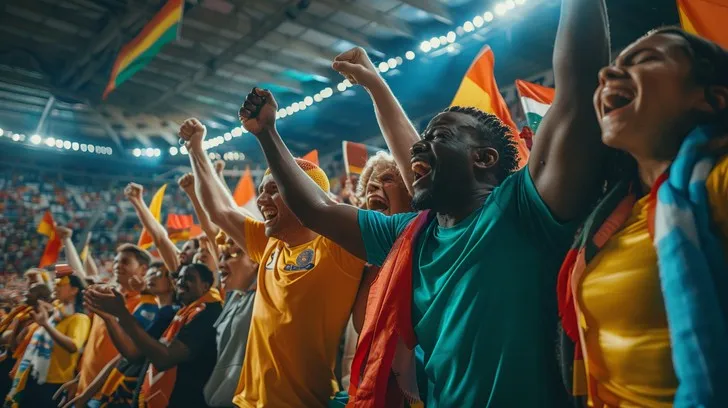
Photo: diverse young fans celebrating cheering at event with trophies, via images.stockcake.com
The Emmys Can Keep Their Envelopes
Every September, a room full of industry insiders in expensive outfits hands each other trophies while the rest of America either tunes in out of habit or completely ignores it. Meanwhile, somewhere on Discord, a group of 40,000 anime fans is deep in the middle of a 72-hour voting window to determine the Best Slow-Burn Romance of the year — and the energy is absolutely unhinged.
That's the gap nobody in Hollywood wants to talk about. Fan communities aren't just celebrating entertainment anymore. They're constructing entire alternative prestige economies, complete with nominations, categories, voting drama, and acceptance speeches posted to TikTok. And the wild part? These ceremonies mean more to the people who actually watch the shows than any gold statue handed out at a black-tie dinner ever could.
What Even Is a Fan Award Show?
The concept isn't brand new — fan polls and community-voted "best of" lists have existed since the early days of message boards. But what's happening now is something different. Fan award shows have evolved into full-scale productions with original branding, dedicated websites, multi-round voting systems, and sometimes even virtual ceremonies streamed live.
Take the Queer Streaming Awards, which started as a Tumblr side project and now pulls in hundreds of thousands of votes across dozens of categories that the mainstream industry would never think to create — things like Best Butch/Femme Dynamic or Most Realistic Sapphic Storyline. Or the Crunchyroll-adjacent community awards that operate completely independently of the platform, organized by fan collectives who felt the official rankings didn't reflect what the community actually cared about.
There are horror fan festivals crowning the best practical effects of the year. There are K-drama communities running their own awards circuits with more regional nuance than any American outlet would bother to provide. There are even ship-specific award shows — yes, dedicated entirely to fan-favorite romantic pairings — with categories like Best Almost-Kiss and Most Devastating Canon Divergence.
These aren't jokes. These are events.
Why Traditional Awards Are Losing the Room
Here's the uncomfortable truth for legacy award bodies: younger audiences don't trust them. It's not even cynicism at this point — it's just pattern recognition. The Oscars have spent years getting dragged for ignoring genre films, snubbing diverse creators, and rewarding prestige bait that nobody under 35 actually watched. The Emmys keep nominating the same five shows while entire ecosystems of streaming content go completely unacknowledged.
When a critically beloved anime series, a wildly popular queer web series, or a horror miniseries with a rabid fanbase gets zero mainstream award recognition, the message fans receive is pretty clear: the institutions don't see you. So fans stop looking to those institutions for validation.
Instead, they build their own. And the criteria they use are genuinely fascinating — often centering emotional resonance, representation quality, narrative risk-taking, and community impact rather than production budget or industry buzz. In a lot of ways, fan award categories are more culturally sophisticated than anything the Television Academy has come up with recently.
The Social Media Amplification Machine
What makes the current wave of fan award shows different from the old-school online polls is distribution. A voting war on a fan-run awards platform doesn't stay contained to that platform. It spills onto Twitter (fine, X), TikTok, Reddit, and Instagram almost immediately. Fans campaign for their favorites. Creators get tagged. Sometimes the creators actually show up — posting about their nominations, encouraging fans to vote, occasionally treating the recognition with the same seriousness they'd give a guild award.
That creator participation is a huge deal. When a showrunner retweets a fan award nomination or a voice actor posts about winning a community-voted trophy, it signals something: this validation matters. It's real. The loop between creator and audience closes in a way that the Emmys — where most fans are passive spectators at best — simply cannot replicate.
What Studios Are Missing (And Why They Should Panic a Little)
If you're a network executive or a streaming platform trying to understand why your prestige drama with four Emmy nominations is getting outperformed in cultural conversation by a mid-budget genre show with zero industry recognition, fan award ecosystems are part of your answer.
These ceremonies are essentially real-time audience feedback systems. The categories fans create reveal what they actually value. The shows that win reveal where genuine passion lives. And the fandoms that organize these events are exactly the kind of deeply engaged, highly vocal communities that drive word-of-mouth, merchandise sales, and long-term catalog value.
Ignoring fan award culture isn't neutral — it's leaving intelligence on the table. Some savvy platforms are starting to figure this out. A few streaming services have quietly begun acknowledging fan-voted recognition in their social media strategies, essentially treating community awards as a form of earned media. That's smart. The ones who keep treating it as a cute hobby are going to keep getting surprised when their algorithmically-optimized content can't build the kind of loyalty a scrappy fan-organized awards show generates for free.
The Niche Is the Point
Maybe the most important thing about fan award shows is what their hyper-specificity reveals about how entertainment communities actually function. The fact that there's an award for Best Platonic Intimacy in a Horror Series, or Most Improved Representation Arc, tells you something that Nielsen ratings never could: audiences are paying close attention, they have sophisticated frameworks for evaluation, and they want their specific experience of a piece of media acknowledged.
Legacy award shows are built to crown universal winners. Fan award shows are built to celebrate the fact that your specific love for a specific thing is valid and worth recognizing out loud.
That's not a niche concern. That's a fundamental shift in how people relate to entertainment. Hollywood can either start paying attention — or keep handing out trophies in a room where nobody's watching.